
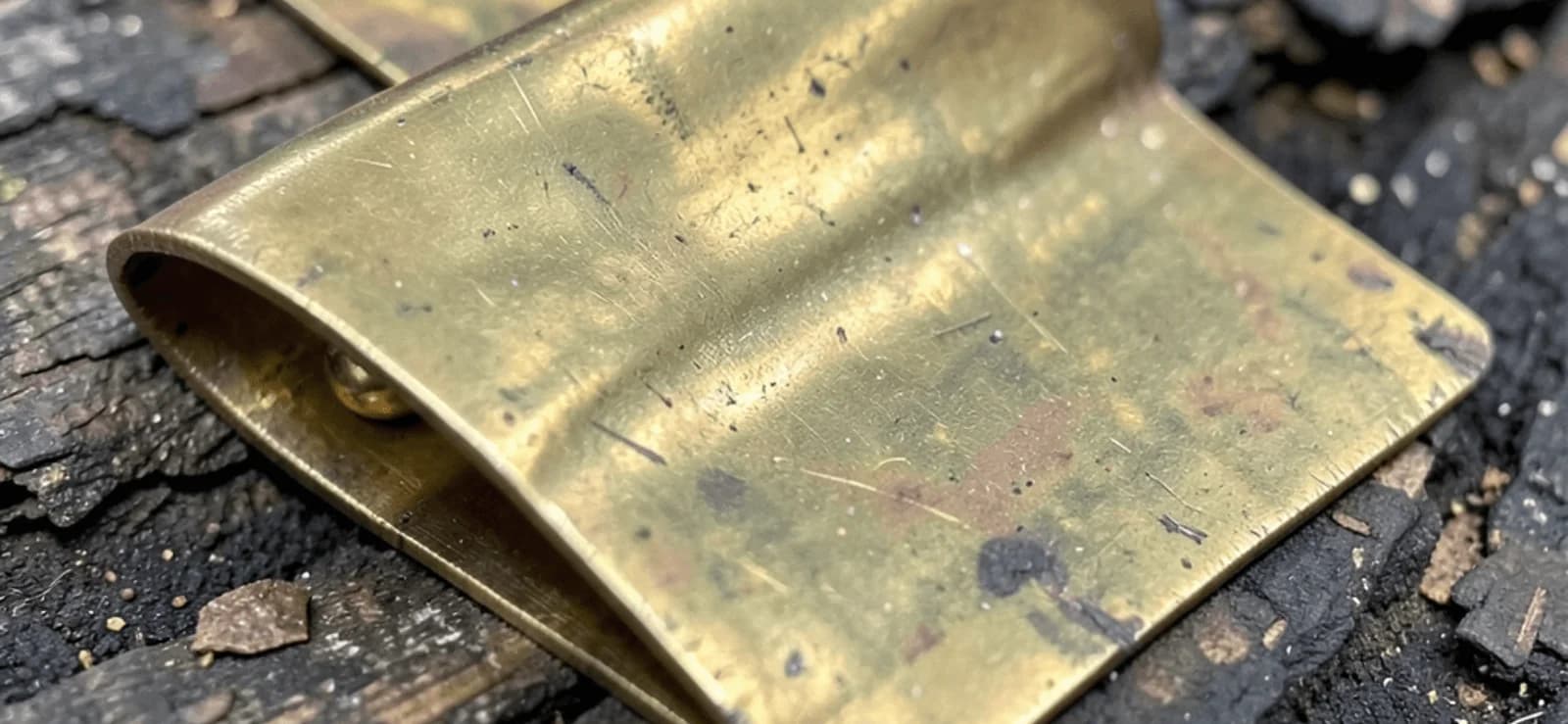
Brass Scrap Price Melbourne: Everything Scrap Sellers Need to Know
If you plan to sell brass scrap in Melbourne, price clarity matters before you visit any recycler. Brass holds strong demand across plumbing, manufacturing, and decorative industries, which keeps its scrap value consistently high. Still, the brass scrap price in Melbourne does not stay fixed. Rates change based on metal grade, copper content, cleanliness, and global market movement.
Many sellers lose value because they lack proper knowledge about brass grading, preparation, and pricing structure. This guide explains everything you need to know before you sell. You will understand how brass scrap prices work, which types pay more, and how you can secure a fair deal.
Current Brass Scrap Price in Melbourne
When sellers ask about the scrap brass price in Melbourne, they usually want an updated, realistic range rather than a single number. Brass prices often shift because recyclers align their rates with the copper and zinc markets. Material quality and volume also influence what you receive. For professional brass recycling services Melbourne, you can ensure your scrap is processed efficiently and at competitive rates.
Brass Scrap Price per Kg in Melbourne
Most Melbourne recyclers quote the brass scrap price per kg in Melbourne rather than flat rates. Clean brass usually sits at the higher end of the range, while mixed or contaminated material attracts lower pricing. On average, brass scrap per kg falls between mid-range non-ferrous metals and premium copper grades. Sellers should always confirm daily pricing before delivery.
Brass Scrap Price per Tonne in Australia
Bulk sellers such as plumbers, demolition contractors, and machine shops often trade brass by the ton. Scrap brass price per tonne depends heavily on sorting quality and alloy composition. High-copper brass grades can reach strong returns when sold in volume, while unsorted loads reduce overall value.
Brass Scrap Price at a Glance
| Brass Type | Typical Price Range (AUD per kg) |
|---|---|
| Clean Brass Scrap | $5.50 - $6.50 |
| Mixed Brass Scrap | $4.50 - $5.50 |
| Brass Radiators | $4.80 - $5.80 |
| Brass Shells | $6.00 - $6.50 |
| Brass Turnings | $4.00 - $5.00 |
Bulk sellers such as plumbers, demolition contractors, and machine shops often trade brass by the ton. Scrap brass price per tonne depends heavily on sorting quality and alloy composition. High-copper brass grades can reach strong returns when sold in volume, while unsorted loads reduce overall value.
Types of Brass Scrap and Their Value
Not every brass item carries equal value. Brass scrap grading depends on alloy makeup, cleanliness, and physical form. Sellers who understand these differences protect their payout.
Clean Brass Scrap
Clean brass scrap includes pipes, fittings, valves, and rods with no paint, rubber, or steel attachments. Recyclers prefer this category because it requires minimal processing. Clean brass scrap attracts the maximum brass scrap price in Melbourne.
Mixed or Contaminated Brass Scrap
Mixed brass includes items with plastic handles, steel screws, paint, or rubber seals. Coated brass scrap and painted brass scrap fall under this category. Extra processing lowers recycler margins, so pricing drops accordingly.
Yellow Brass vs Red Brass (Gunmetal)
Yellow brass contains lower copper content and appears lighter in colour. You often see it in plumbing fittings, brass lamp fittings, and household fixtures. Red brass, also called gunmetal, contains higher copper levels and appears darker. Because copper drives value, red brass commands stronger prices.
Brass Turnings, Shavings, and Swarf
Machine shops generate brass alloy scrap in the form of turnings and shavings. Moisture, oil, and mixed metals reduce value. Clean and dry turnings receive better rates.
Brass Radiators, Shells, and Specialty Items
Brass pipe scrap, brass tap recycling, musical instrument brass scrap, and cartridge shells also qualify as recyclable material. Shell casings must arrive clean and de-primed to receive premium pricing.
What Affects Brass Scrap Prices in Melbourne
Understanding pricing factors helps you choose the right time and preparation method before selling. Brass scrap price in Melbourne never depends on a single element. Multiple global and local forces work together, which explains why rates can change even within short periods.
Global Copper and Zinc Prices
Brass derives value mainly from copper, with zinc acting as a secondary component. When international copper prices rise, recyclers adjust the brass scrap metal price accordingly. Zinc price movement also affects lower-grade brass, though its impact remains smaller than copper.
London Metal Exchange Influence
Recyclers closely follow London Metal Exchange trends because it sets global reference pricing for copper and zinc. Melbourne scrap brass prices often reflect these movements within days, especially when strong shifts occur in overseas demand or supply.
Local Supply and Demand in Melbourne
Construction projects, plumbing upgrades, and industrial maintenance increase the flow of brass scrap into the local market. At the same time, export demand across Asia keeps competition strong among recyclers, which supports competitive brass scrap price levels.
Scrap Weight, Cleanliness, and Condition
Heavier, solid brass items attract stronger rates than thin or heavily worn pieces. Clean brass scrap receives better grading, while contaminated material moves into lower price brackets due to additional processing requirements.
Exchange Rates and Export Demand
Australian dollar movement affects export profitability. When the dollar weakens, exporters gain stronger margins, which allows recyclers to offer a higher scrap brass price per kg within Melbourne.
How to Get the Best Brass Scrap Price in Melbourne
Preparation plays a direct role in how much you receive for your brass. Sellers who understand grading practices and recycler expectations consistently secure better payouts than those who sell without planning.
Sort Brass by Type Before Selling
Separate clean brass scrap from coated or mixed material before visiting a recycler. Alloy designation brass items should stay apart from general fittings. Sorting reduces inspection time and protects your load from automatic downgrading.
Remove Non-Metal Attachments
Plastic handles, rubber washers, paint layers, and steel screws reduce the payable grade. Removing these attachments improves brass scrap grading accuracy and positions your material for maximum brass scrap price.
Sell in Bulk Where Possible
Larger quantities allow recyclers to justify higher per-kilogram rates. Tradespeople and workshops often benefit from collecting brass until a reasonable volume is ready for sale.
Track Market Trends Before Selling
Metal prices shift frequently. Checking copper trends and current Melbourne scrap brass prices helps you choose a stronger selling window rather than accepting lower off-peak rates.
Work With a Trusted Local Recycler
A reliable recycler offers transparent weighing, clear explanations, and consistent pricing. Long-term relationships often result in smoother transactions and fair valuation for repeat sellers.
Where to Sell Brass Scrap in Melbourne
Choosing the right recycler protects both pricing and compliance. Greater Melbourne Copper offers brass scrap recycling services with clear pricing, honest grading, and brass scrap pick up Melbourne options for qualifying volumes. Sellers receive fair evaluation based on material quality and current market rates.
Legal Requirements for Selling Brass Scrap in Victoria
Victoria enforces strict scrap metal regulations. Sellers must present valid photo identification, accept non-cash payment methods, and allow transaction records. Licensed recyclers follow these rules to protect sellers and buyers.
Brass vs Other Scrap Metals in Melbourne
Brass offers strong value compared to many alloys. Copper pays higher per kilogram but requires stricter sorting. Aluminium sells easily but yields lower returns by weight. Steel generates volume-based returns but offers minimal per-unit value. Brass balances effort and payout efficiently.
Conclusion
Brass scrap holds consistent value in Melbourne when you understand grading, pricing factors, and preparation methods. Sellers who sort material, monitor markets, and work with licensed recyclers protect their returns. Brass scrap recycling supports responsible resource use while offering a reliable income from unused metal. With clear knowledge and proper preparation, you place yourself in control of pricing outcomes. When you sell informed, you avoid confusion and secure fair compensation for every kilogram of brass you supply.
Frequently Asked Questions
How much is scrap brass worth per kg in Melbourne?
Brass scrap price per kg in Melbourne generally ranges between $4.00 and $6.50. Clean brass scrap sits at the higher end, while mixed or contaminated material receives lower rates based on grading and daily market conditions.
What types of brass can be recycled in Melbourne?
Recyclers accept brass taps, plumbing fittings, brass pipes, lamp fittings, musical instrument brass scrap, radiators, shells, and brass alloy scrap, provided the material meets recycling and contamination standards.
How do I get the best price for brass scrap in Melbourne?
You improve pricing by sorting brass types, removing non-metal attachments, monitoring market rates, and selling through licensed recyclers that follow transparent grading and weighing practices.
Does Melbourne Copper Scraps offer free pickup of brass scrap?
Yes, Melbourne Copper Scraps provides free brass scrap pick up Melbourne services for qualifying quantities across Victoria, which helps larger sellers reduce transport costs and manage bulk material efficiently.
Should I separate different types of brass scrap for better prices?
Yes. Separating clean brass scrap from coated or mixed brass protects grading accuracy and prevents your entire load from being priced at a lower category.
How do coated or painted brass scraps affect the price?
Coated or painted brass scrap requires additional processing. Recyclers apply lower rates to cover this effort, which reduces the final brass scrap price compared to clean material.
What are the steps to prepare brass scrap for recycling?
Remove plastic, rubber, steel, and paint, separate alloy types, keep brass dry, and store clean material separately to maintain higher grading outcomes.
How is the price of brass scrap calculated in Australia?
Pricing reflects global copper values, alloy composition, cleanliness, weight, exchange rates, and recycler processing costs, all assessed at the time of sale.
Can brass ornaments or plumbing fittings be sold as scrap?
Yes. Brass ornaments, taps, valves, and plumbing fittings qualify for recycling once you remove non-metal parts and separate them from mixed scrap.
Is brass a valuable scrap metal compared to other alloys?
Yes. Brass offers stronger value than aluminium and steel due to copper content, while requiring less preparation effort than pure copper.
Get a Greater Melbourne Copper
Call GMC now for a fast, obligation-free quote on your Greater Melbourne Copper.
Call 0431 733 102