
Ferrous vs Non‑Ferrous Metals: What’s the Difference?
When you work with metals, the difference between ferrous and non-ferrous metals shapes every decision you make. From construction sites to recycling yards, from electrical wiring to heavy machinery, metal selection affects strength, durability, safety, and cost. Many people know the basic rule about iron content, yet confusion still exists around corrosion, magnetism, weight, and real-world use.
This guide explains what ferrous metals and non-ferrous metals are in a clear, practical way. You will understand how these metal types behave, where each fits best, and why this distinction matters in industrial and everyday applications. By the end, you will know exactly which metal suits your purpose and why.
What Is the Difference Between Ferrous and Non-Ferrous Metals?
The difference between ferrous and non-ferrous metals comes down to iron content. Ferrous metals contain iron as a primary element, while non-iron metals contain little to no iron. This single factor creates major differences in strength, corrosion response, magnetism, weight, and conductivity.
Ferrous metals usually attract magnets and offer high tensile strength, which suits load-bearing structures and heavy industrial use. Non-ferrous metals do not attract magnets and resist corrosion more effectively, which suits electrical, marine, and outdoor applications.
When you compare ferrous metals vs non-ferrous metals, you also notice differences in recyclability, cost, and long-term performance under environmental stress. For insights on handling and selling copper efficiently, professional copper metal recycling services can help maximize value while following sustainable practices.
What Are Ferrous Metals?
Ferrous metals are metals containing iron in significant amounts. The word “ferrous” comes from the Latin term ferrum, which means iron. In most cases, iron forms the backbone of these materials, often combined with carbon or other alloying elements.
You see iron-based metals across construction, transportation, and manufacturing because they provide strength, durability, and structural reliability. However, the presence of iron also creates vulnerability to rust when moisture and oxygen come into contact with the surface.
Properties of Ferrous Metals
The properties of ferrous metals explain their widespread industrial use. These metals offer high tensile strength, hardness, and impact resistance. Most ferrous metals show magnetic behaviour, which allows magnetic separation during recycling and use in motors and electrical systems.
A high carbon content often increases hardness but also raises rust risk. Stainless steel and wrought iron stand as exceptions. Chromium in stainless steel blocks oxidises, while the purity of wrought iron slows corrosion. Without protection, many rusting metals within this category require coatings or galvanisation.
Ferrous Metals List and Their Uses
Ferrous metals appear in many forms, each with distinct industrial roles.
Steel
Steel forms through a combination of iron and carbon. This balance gives steel strength and flexibility, which supports buildings, bridges, machinery, and infrastructure projects.
Carbon Steel
Carbon steel contains a higher carbon percentage than other steels. This structure creates hardness and edge retention, which suits cutting tools, drills, springs, and machine parts.
Alloy Steel
Alloy steel includes added elements such as chromium, nickel, or molybdenum. These elements control strength, heat tolerance, and corrosion resistance. Many industrial components rely on alloy steel for demanding conditions.
Cast Iron
Cast iron combines iron, carbon, and silicon. It offers wear resistance and compressive strength but limited flexibility. You see cast iron in pipes, engine blocks, stoves, and heavy machine components.
Wrought Iron
Wrought iron contains very little carbon and includes slag that improves corrosion resistance. Decorative railings, gates, and fencing often rely on this material due to durability and appearance.
What Are Non-Ferrous Metals?
Non-ferrous metals contain no iron or only trace amounts that remain below classification thresholds. These metals do not rust in the same way iron-based metals do, which gives them strong value in moisture-prone or chemically aggressive environments. For businesses looking to recycle valuable non-ferrous metals like brass, professional brass recycling services Melbourne ensure efficient processing and maximum returns.
You often choose non-iron metals when weight, conductivity, or corrosion resistance matters more than raw strength. Many modern technologies rely on these materials due to consistent performance over time.
Properties of Non-Ferrous Metals
The properties of non-ferrous metals include corrosion resistance, non-magnetic behaviour, and excellent electrical and thermal conductivity. Many of these metals weigh less than ferrous alternatives, which supports transport, aerospace, and electrical use.
Non-ferrous metals' characteristics also include high recyclability. These metals retain chemical stability through repeated recycling cycles, which supports sustainability and economic value.
Non-Ferrous Metals Examples and Their Uses
Non-ferrous metals appear across construction, electronics, and manufacturing.
Aluminum
Aluminium offers low weight and natural corrosion resistance through an oxide layer. Aircraft, vehicles, cookware, rail components, and packaging rely on this metal.
Copper
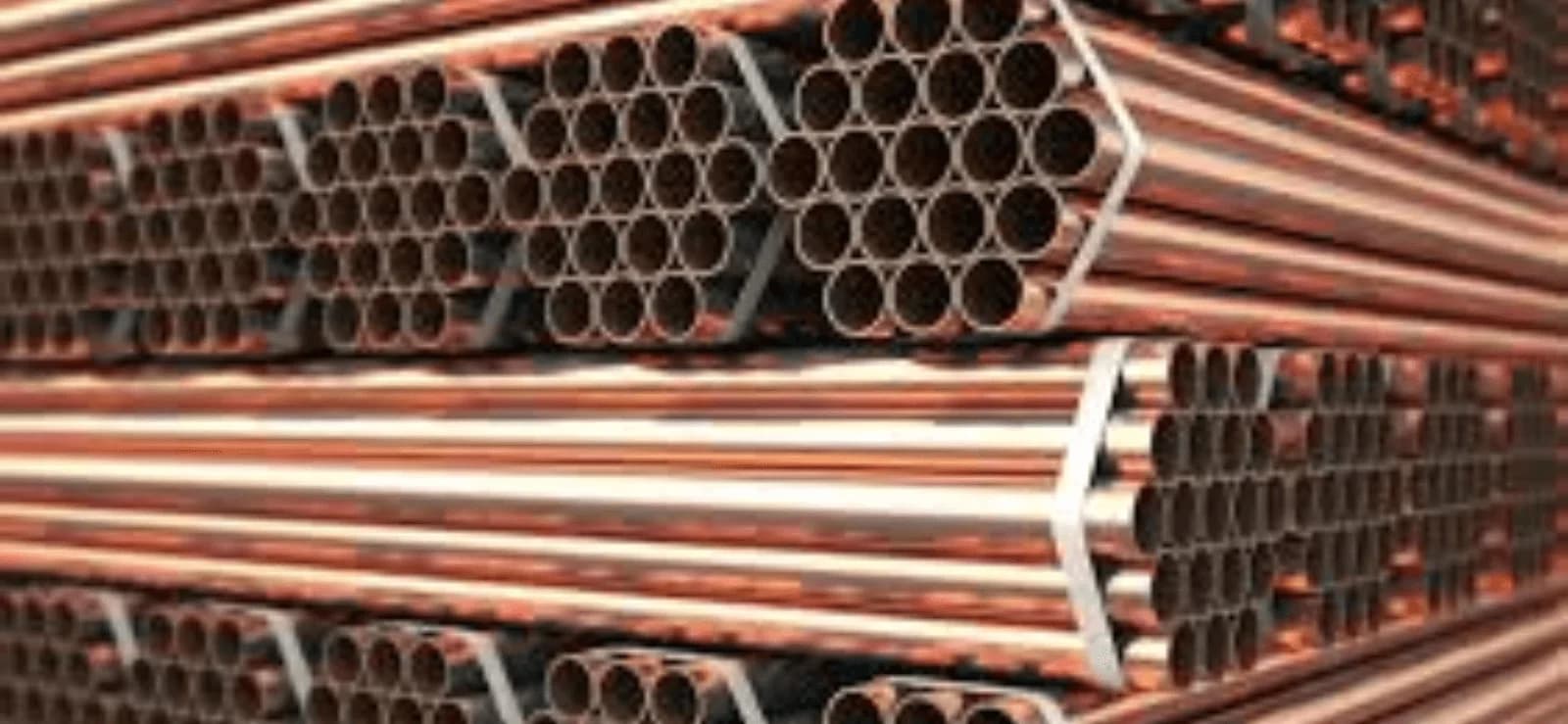
Copper provides excellent electrical and heat conductivity. Electrical wiring, plumbing systems, roofing sheets, and industrial conductors depend on copper.
Brass and Bronze
Brass forms from copper and zinc, while bronze combines copper and tin. These alloys support fittings, bearings, tools, decorative items, and marine hardware.
Lead
Lead provides density and corrosion resistance. Batteries, power cables, shielding, and soldering materials often rely on lead.
Zinc
Zinc protects steel and iron through galvanisation. This process slows corrosion and extends the life of structural components.
Precious and Specialty Metals
Gold, silver, nickel, titanium, and platinum serve electronics, medical tools, aerospace parts, and high-precision components due to stability and strength-to-weight ratios.
Ferrous vs Non-Ferrous Metals Comparison
The ferrous vs non-ferrous metals comparison highlights how iron content affects performance and application.
| Property | Ferrous Metal | Non-Ferrous Metals |
|---|---|---|
| Iron content | Present | Absent or minimal |
| Magnetism | Usually magnetic | Non-magnetic |
| Corrosion resistance | Lower, with exceptions | Naturally higher |
| Weight | Heavier metals in industry | Lightweight metals |
| Conductivity | Lower electrical conductivity | High conductivity of metals |
| Recycling | Magnetic separation possible | Repeat recycling without degradation |
Why Does the Difference Between Ferrous and Non-Ferrous Metals Matter?
Material choice affects safety, lifespan, and cost control. When you select metals without iron for outdoor or electrical projects, you reduce corrosion risk and maintenance needs. When you choose iron-based metals for load-bearing structures, you gain strength and stability.
Industrial applications of ferrous metals rely on durability and impact resistance. Industrial applications of non-ferrous metals rely on corrosion resistance, conductivity, and weight control. This distinction protects performance and reduces failure risk.
Corrosion Resistance and Environmental Impact
Moisture, oxygen, and salt exposure attack metals containing iron. Without coatings or alloy protection, rust weakens the structure and shortens service life. Corrosion-resistant metals within the non-ferrous category avoid this issue, which suits marine, plumbing, and outdoor use.
Environmental conditions demand careful material choice. When metal failure carries a safety risk, corrosion resistance becomes critical.
How Recycling Differs for Ferrous and Non-Ferrous Metals
Ferrous scrap metal allows easy separation through magnetic systems. Recycling plants melt and purify iron-based materials before reuse. Non-ferrous metals require manual or sensor-based separation but maintain value across multiple recycling cycles.
Metals without iron often command higher scrap value due to scarcity and repeated usability.
How to Identify Ferrous vs Non-Ferrous Metals
Magnet testing offers a quick method. Magnetic metals usually indicate the presence of iron. Weight comparison also helps, as non-ferrous metals often feel lighter. Visual inspection and professional testing confirm uncertain cases.
Conclusion
The difference between ferrous and non-ferrous metals affects strength, corrosion resistance, conductivity, and long-term performance. Iron-based metals support heavy industry and structural work, while non-iron metals support electrical systems, transport, and corrosion-sensitive environments. When you understand these properties, you choose materials with confidence and clarity. Whether you work in construction, recycling, or manufacturing, this knowledge protects your investment and supports reliable results.
Frequently Asked Questions
Is ferrous metal stronger than non-ferrous metal?
Ferrous metals often show higher strength, but exceptions exist. Titanium, a non-ferrous metal, exceeds many steels in strength-to-weight ratio.
Is stainless steel ferrous or non-ferrous?
Stainless steel is ferrous because it contains iron, despite corrosion resistance from chromium.
Is aluminium ferrous or non-ferrous?
Aluminium is non-ferrous because it contains no iron.
Are copper and gold ferrous?
Copper and gold are non-ferrous metals.
Get a Greater Melbourne Copper
Call GMC now for a fast, obligation-free quote on your Greater Melbourne Copper.
Call 0431 733 102